
Borrowed, Renamed, Repackaged: India’s long history of fashion without credits

Borrowed, Renamed, Repackaged: India’s long history of fashion without credits
There is something strangely familiar about seeing an Indian craft presented by an international designer on an international runway.
A pattern we have seen for generations. A technique that has existed for centuries. A piece of clothing that our grandmothers wore without ever calling it “fashion”.
And suddenly, somewhere in Paris, Milan or New York, it appears again—beautifully photographed, luxuriously packaged and attached to a European or American fashion house. But now, it has a different name. It is not a new phenomenon.
In fact, the relationship between India and Western fashion has always been complicated.
India has been a producer, exporter and innovator of textiles for centuries. Yet somewhere along the way, the people and places behind those textiles were separated from the products.
What remains is the aesthetic. And the aesthetic travels very well.
Before India was “inspired by”, India was exporting
Long before the modern fashion industry existed, Indian textiles were already travelling across the world.
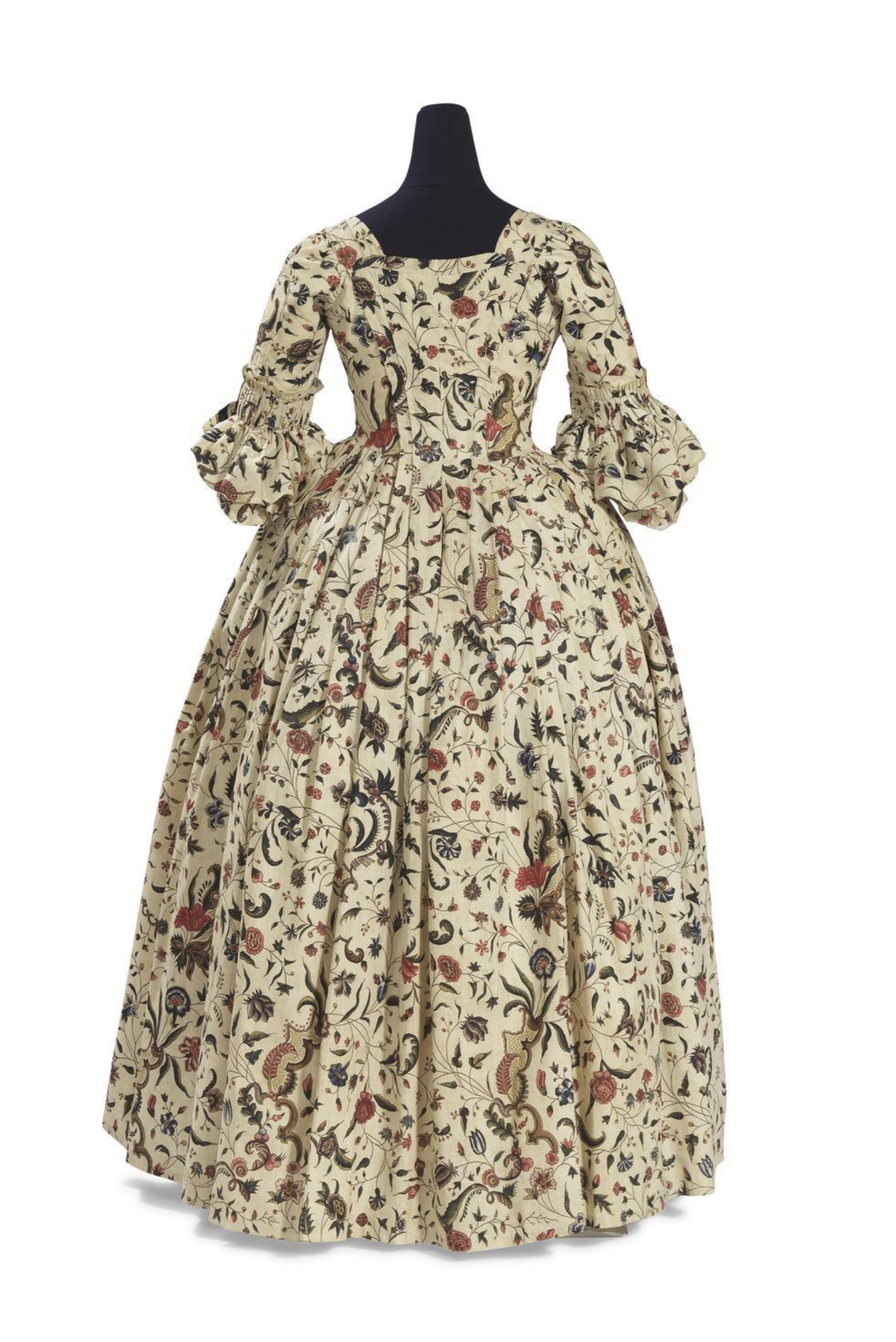
Cotton, muslin, chintz, printed textiles and silks were traded extensively with regions including the Middle East, Southeast Asia and Europe. Indian textiles became so desirable in European markets that British textile manufacturers eventually began producing imitations of Indian prints and fabrics. The irony is so hard to miss.
India was not waiting to be discovered by European fashion. It was already making textiles that the European market wanted.
And the more Europe wanted them, the more complicated the relationship became.
Indian textiles were not simply admired; they became commercially valuable. Their designs were reproduced, their production systems were disrupted, and their relationship with European markets increasingly became one of extraction rather than exchange.
This is perhaps where the larger story begins: India’s fashion influence was valuable long before India itself was given equal authority as a fashion capital.
Indigo: when colour became commerce, the story of blue gold
Today, we might see indigo simply as a beautiful, almost timeless shade of blue. But its history in India is far more complicated.
Under British colonial rule, indigo cultivation became a major commercial enterprise, particularly in Bengal. European planters pushed farmers into cultivating indigo for export, often under exploitative conditions. The resistance eventually culminated in the Indigo Revolt of 1859–60, when cultivators refused to continue producing indigo under oppressive arrangements.
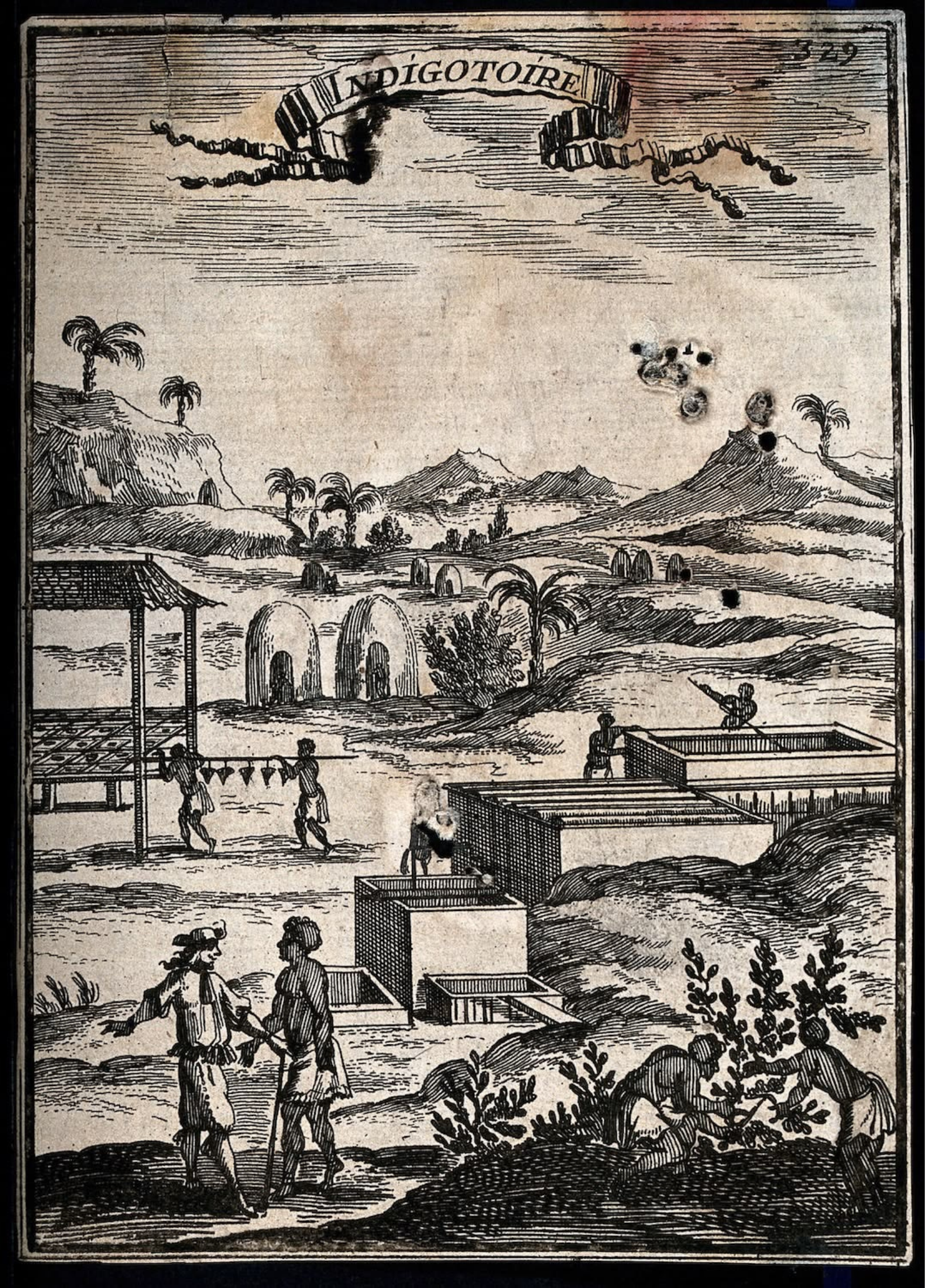
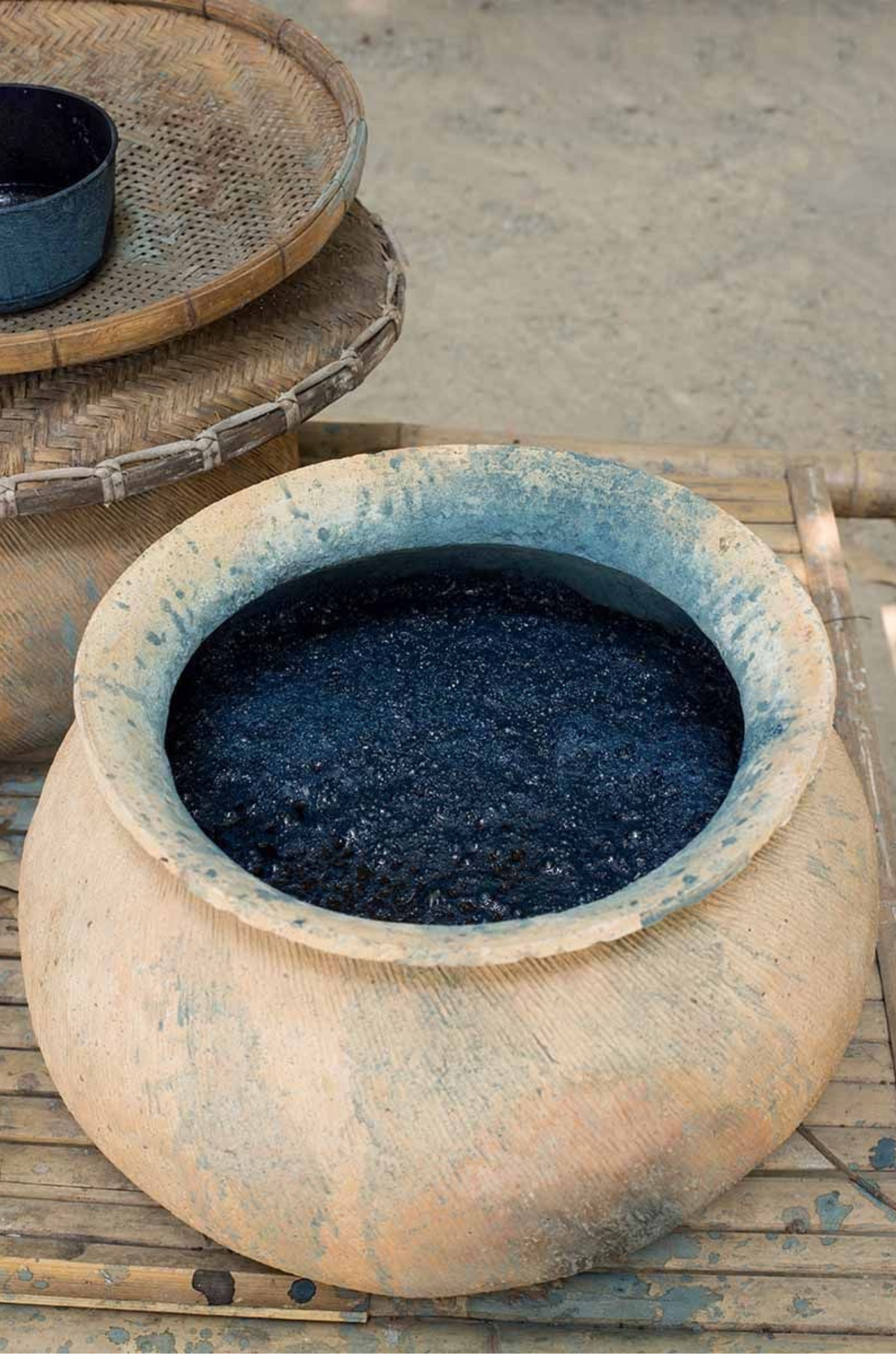
A colour that looks so effortless on a moodboard carries an entire history of labour, power and resistance. And this is something fashion tends to be very good at doing: turning history into an aesthetic while leaving the history behind.
From Chintz to Bandhani: the Indian textile vocabulary keeps returning
India’s textile vocabulary is enormous.
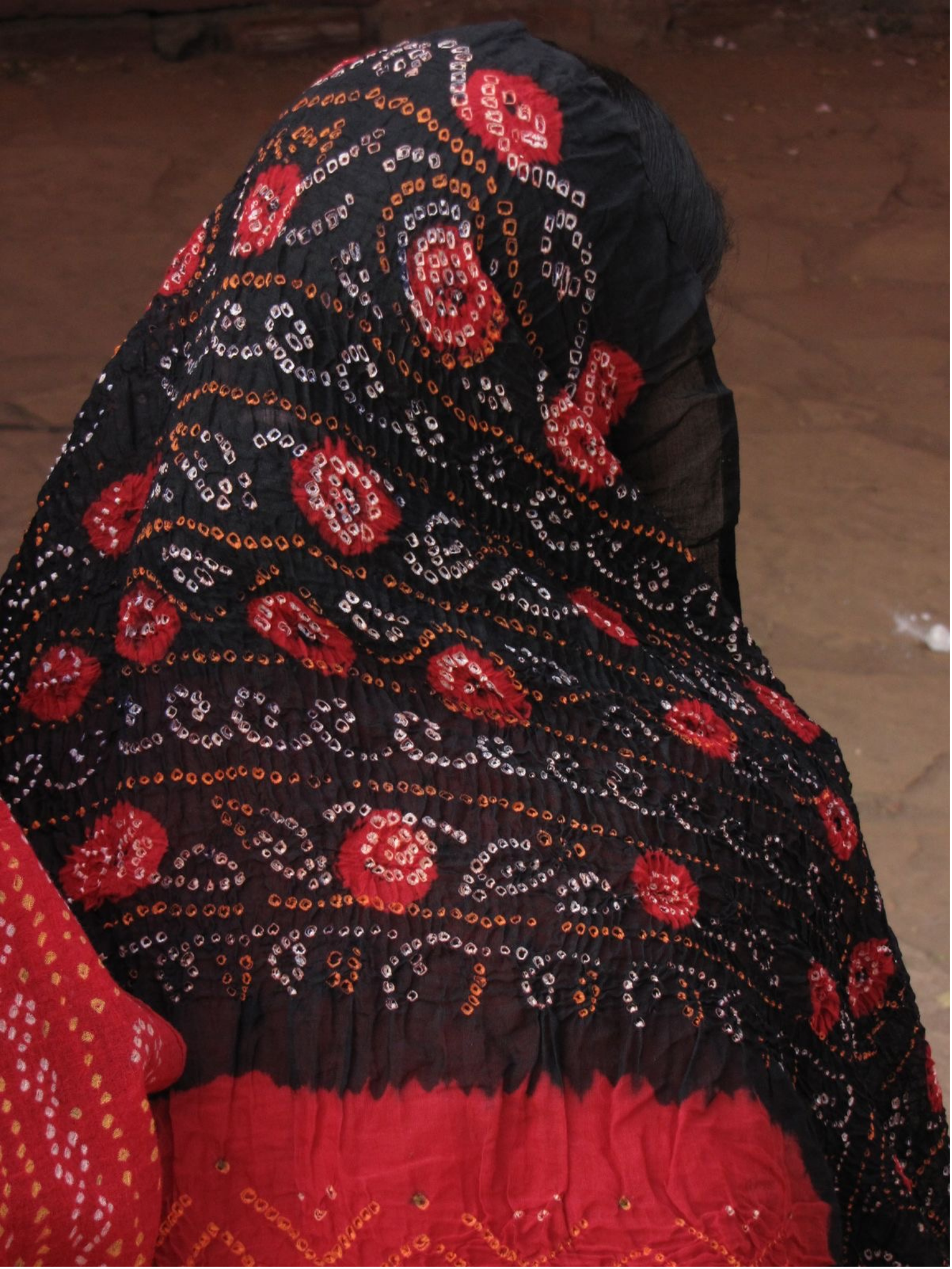
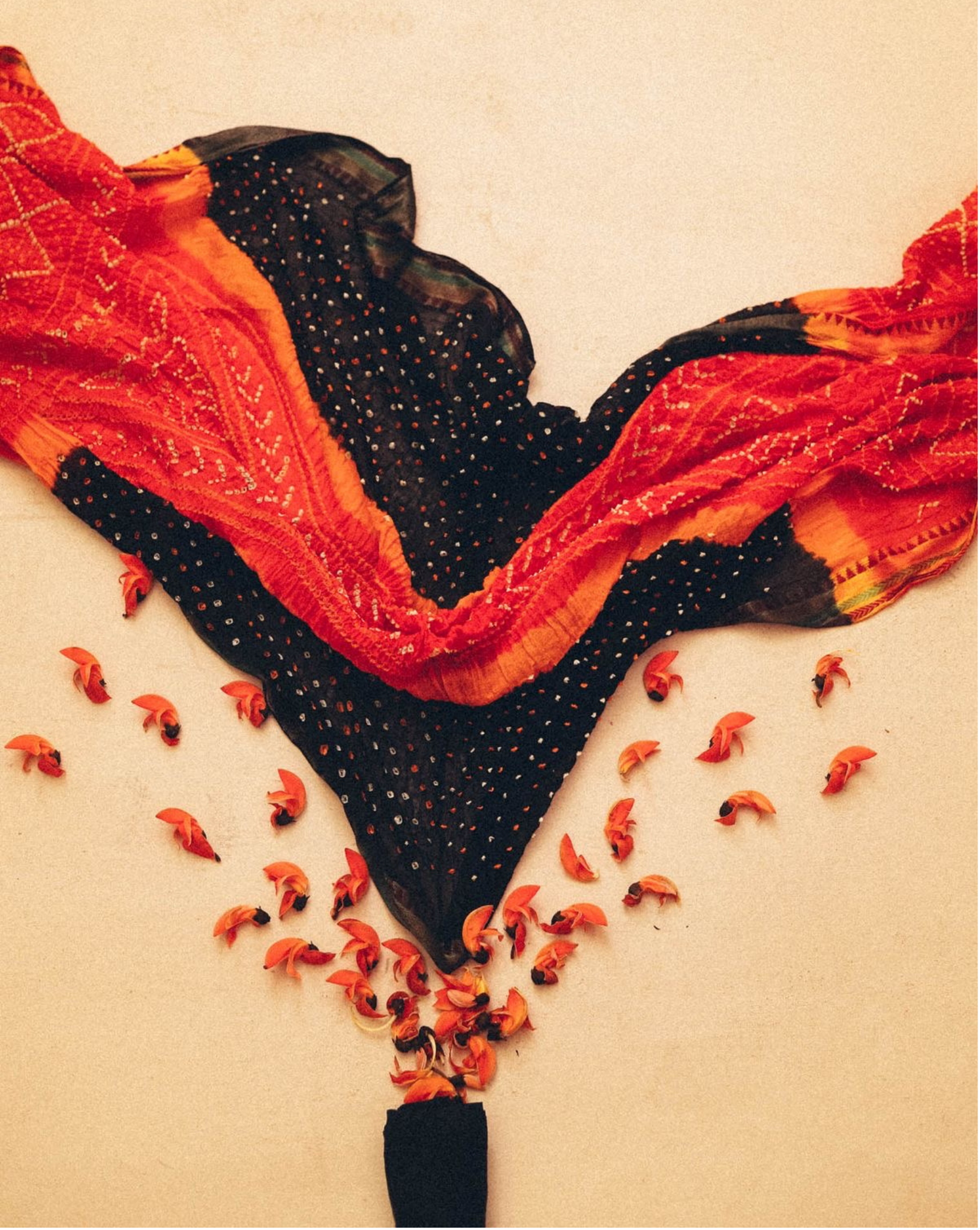
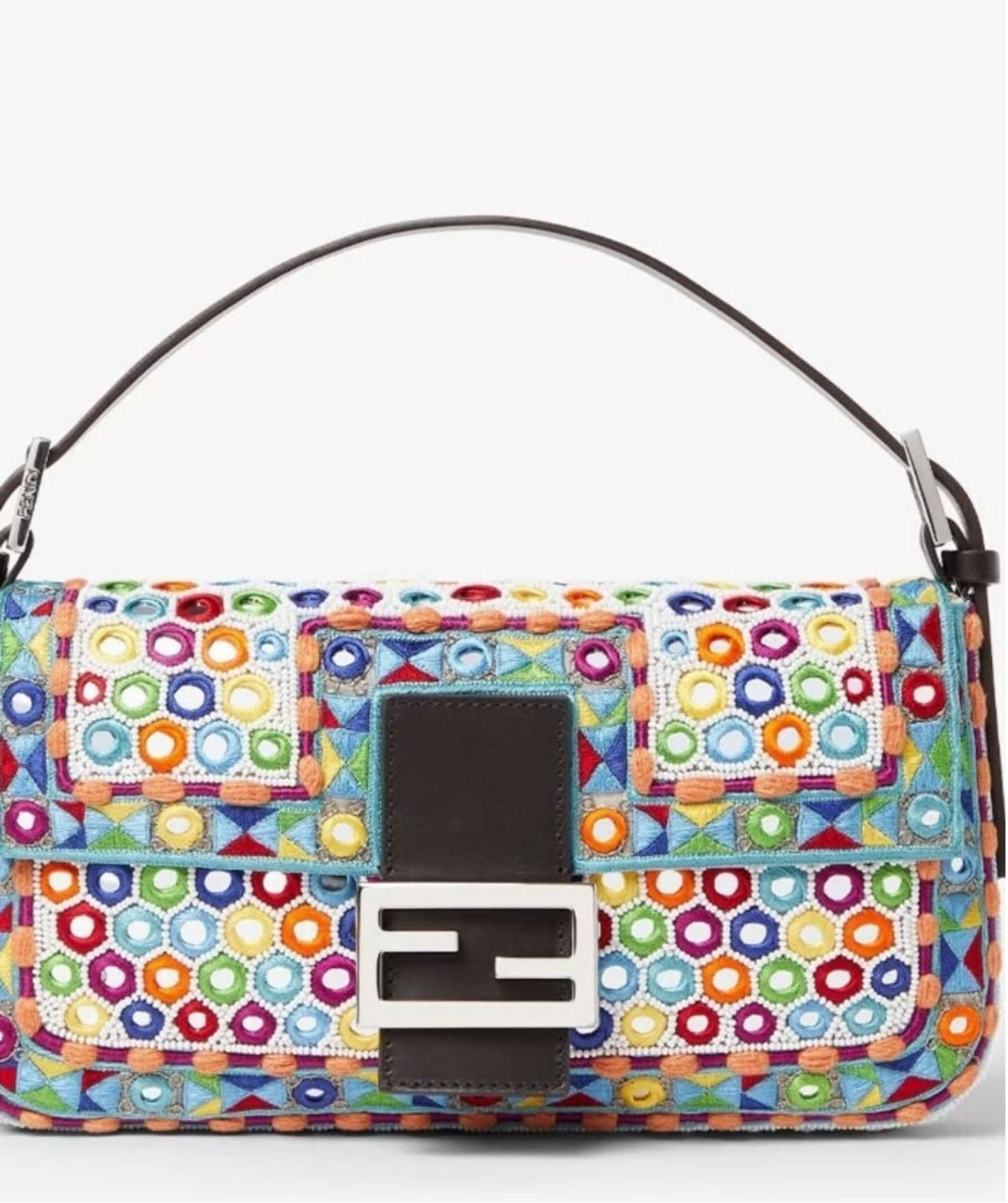
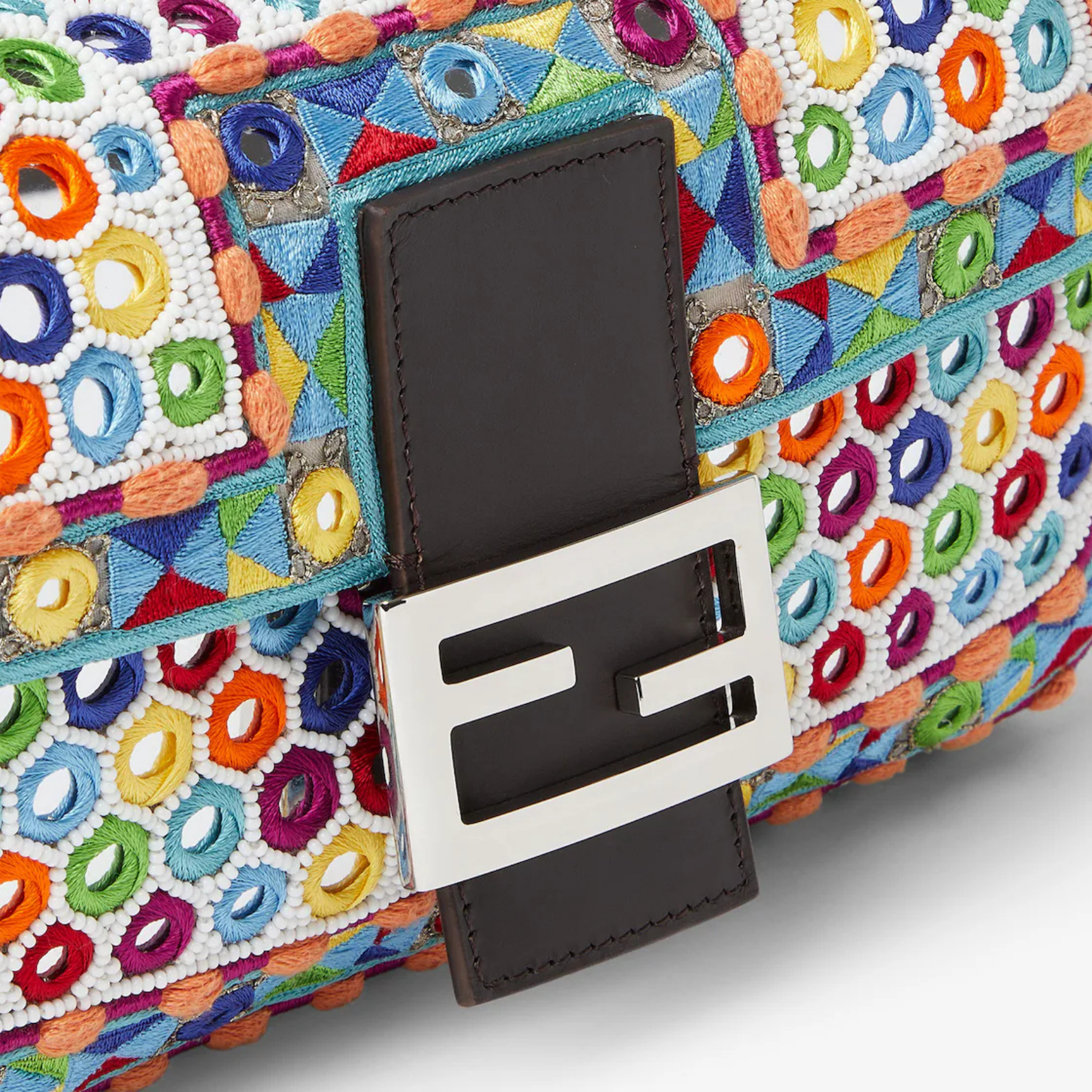
There is Bandhani, with its tiny tied and dyed patterns; Bandhej, associated particularly with Rajasthan and Gujarat; Chikankari from Lucknow; Mukaish embroidery; mirror work from western India; hand embroidery, block printing and countless regional textile traditions.
These are not simply patterns. They are processes. They require knowledge of materials, local climate, technique, hand movements and generations of accumulated skill. And yet, when these elements enter the global luxury system, they can suddenly be detached from the communities that developed them.
This distinction is important.
There is nothing wrong with cultures influencing one another. Fashion has always travelled. Indian designers themselves look at Europe, Japan, Africa and elsewhere. Inspiration is not the problem. Erasure is. The problem begins when something is taken from a culture, commercially transformed and presented without acknowledging where its visual language came from—or who kept that language alive.
Bandhani becomes a “print”
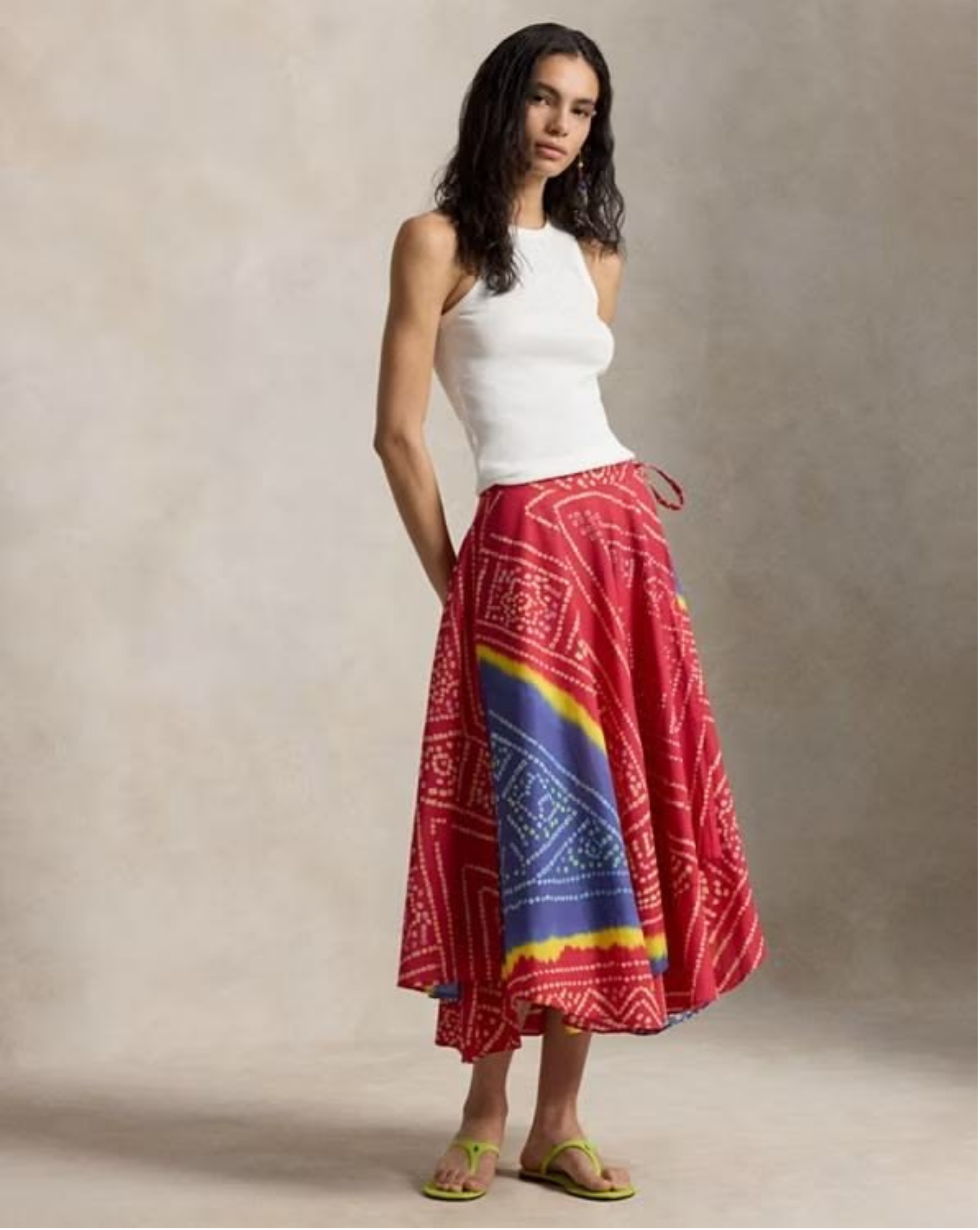
The recent Ralph Lauren Bandhani controversy is a particularly telling example.
In 2026, Ralph Lauren faced backlash over a cotton wrap skirt whose print was described as being inspired by traditional Bandhani tie-dye techniques and motifs. The garment was listed at ₹44,800, while the Indian origin of the craft was not prominently acknowledged on the product listing.
The problem was not that an international designer looked at Bandhani. The problem was the transformation of a centuries-old Indian craft into a luxury fashion product while the cultural context—and the artisans behind the technique—became almost invisible.
And this is where the language of fashion becomes interesting. A craft becomes a print. A technique becomes an inspiration. A cultural object becomes a trend. And suddenly the people who have been doing it for centuries disappear from the story.
The jhumka becomes an “authentic vintage accessory”
The same conversation appeared again with Ralph Lauren and the Indian jhumka.
The jhumka is hardly a recent fashion invention. It’s history can be traced back to centuries, with representations appearing in Indian temple art and traditions of jewellery across the subcontinent.Yet when similar earrings appeared with Ralph Lauren’s Paris Fashion Week looks, they were described in terms such as an “authentic vintage accessory”, rather than being meaningfully connected to their Indian craft history.
It is a small example, but perhaps that is what makes it so revealing. Because credit is not only about saying India. It is about recognising the history behind an object.


Then came Prada and the Kolhapuri
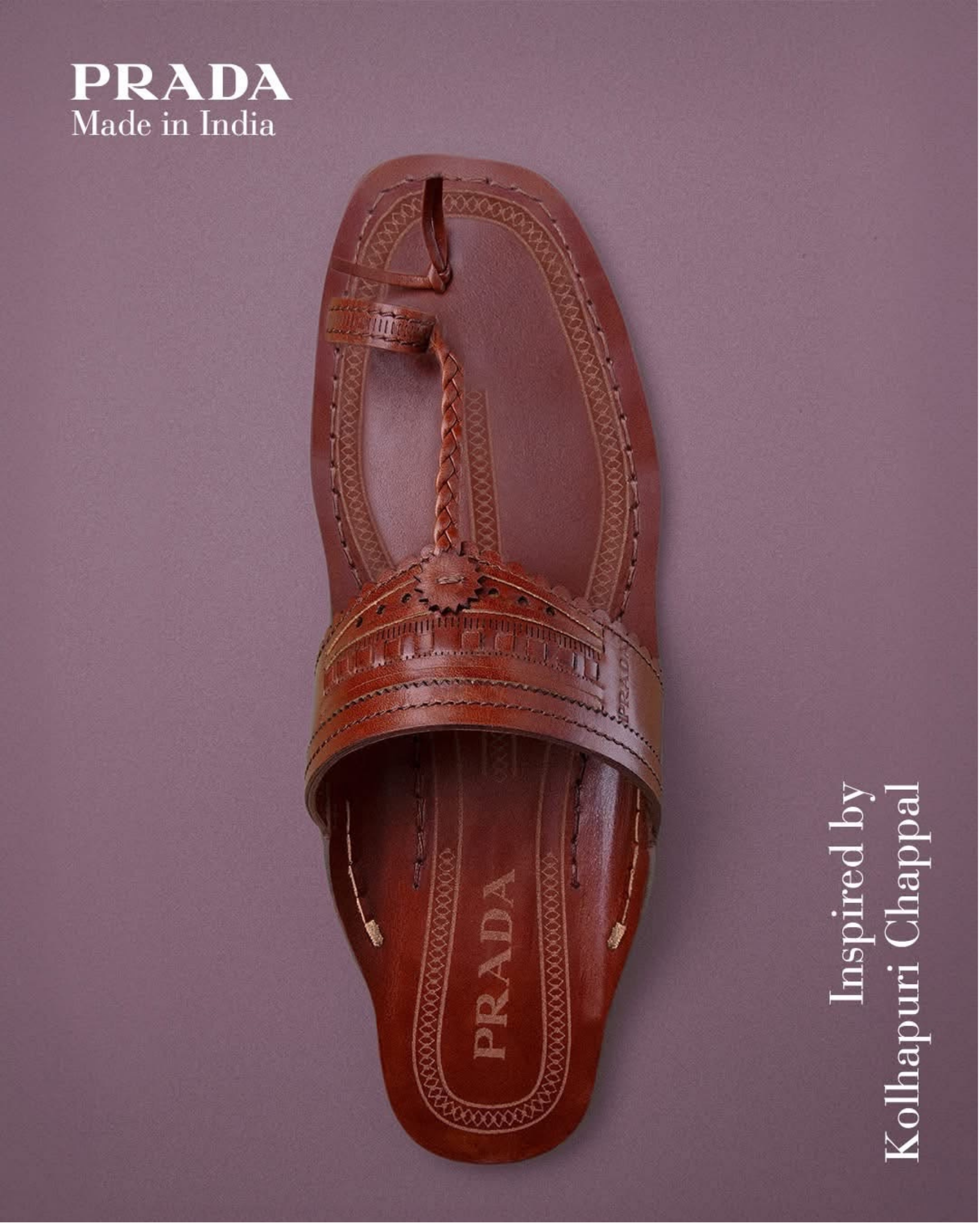
In 2025, Prada presented leather sandals during Milan Fashion Week that immediately reminded Indians of something much more familiar: the Kolhapuri chappal.
The resemblance was strong enough to trigger widespread criticism, particularly because the footwear was initially presented without acknowledging its Indian origins. Prada later acknowledged that the sandals were inspired by traditional Indian handcrafted footwear with a centuries-old heritage.
The controversy became even more striking because of the price difference. A traditional Kolhapuri is a handmade product associated with generations of artisans. Prada’s version was positioned as luxury fashion, with reports putting its price at around ₹1 lakh or more.
The same visual language. Two completely different systems of value. And that may be the uncomfortable question at the heart of all of this:
Why does a craft become more valuable to the world when a luxury fashion house puts its name on it?

Dior and the invisible hands
Perhaps one of the most uncomfortable examples came from Dior.
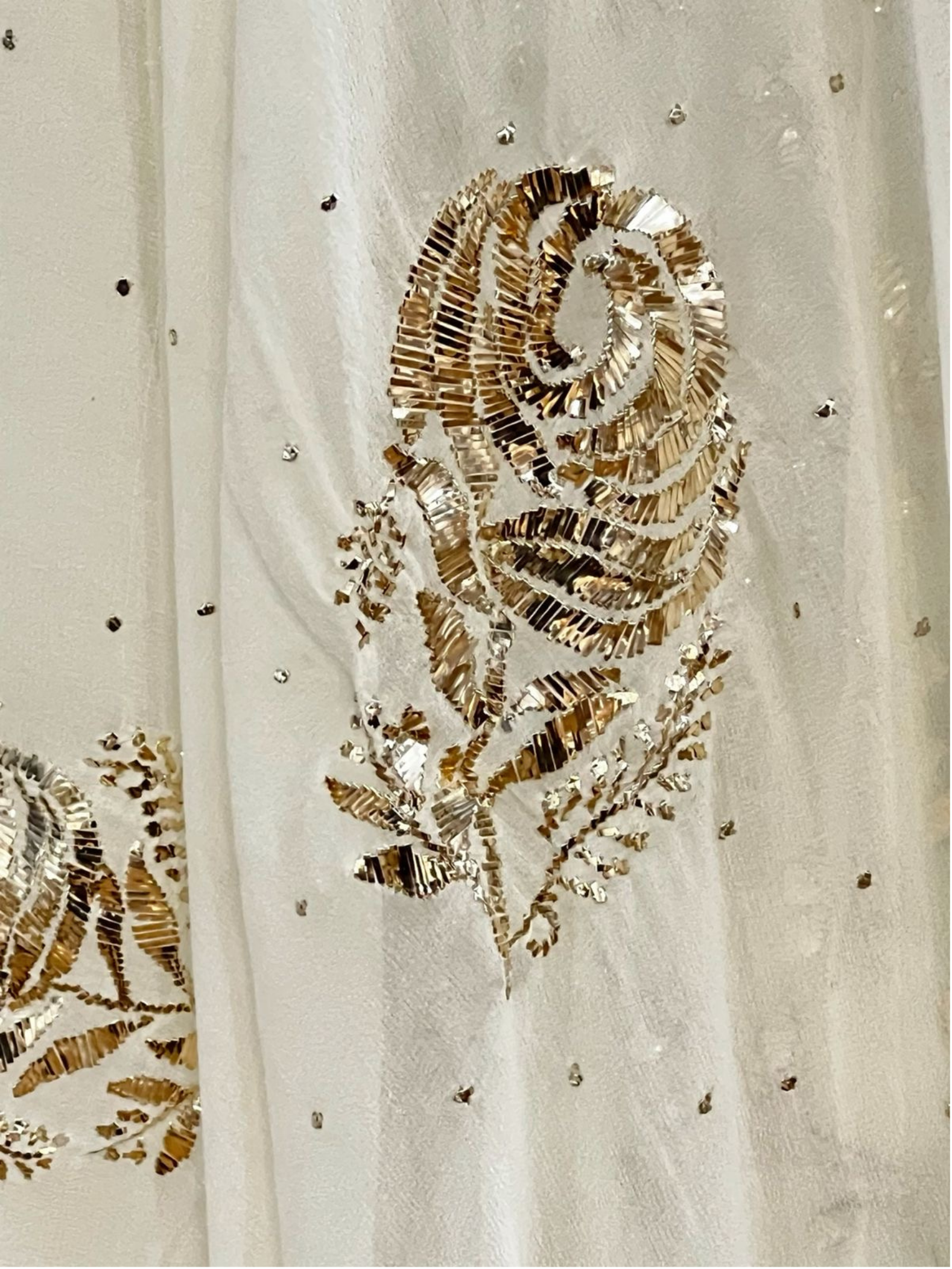
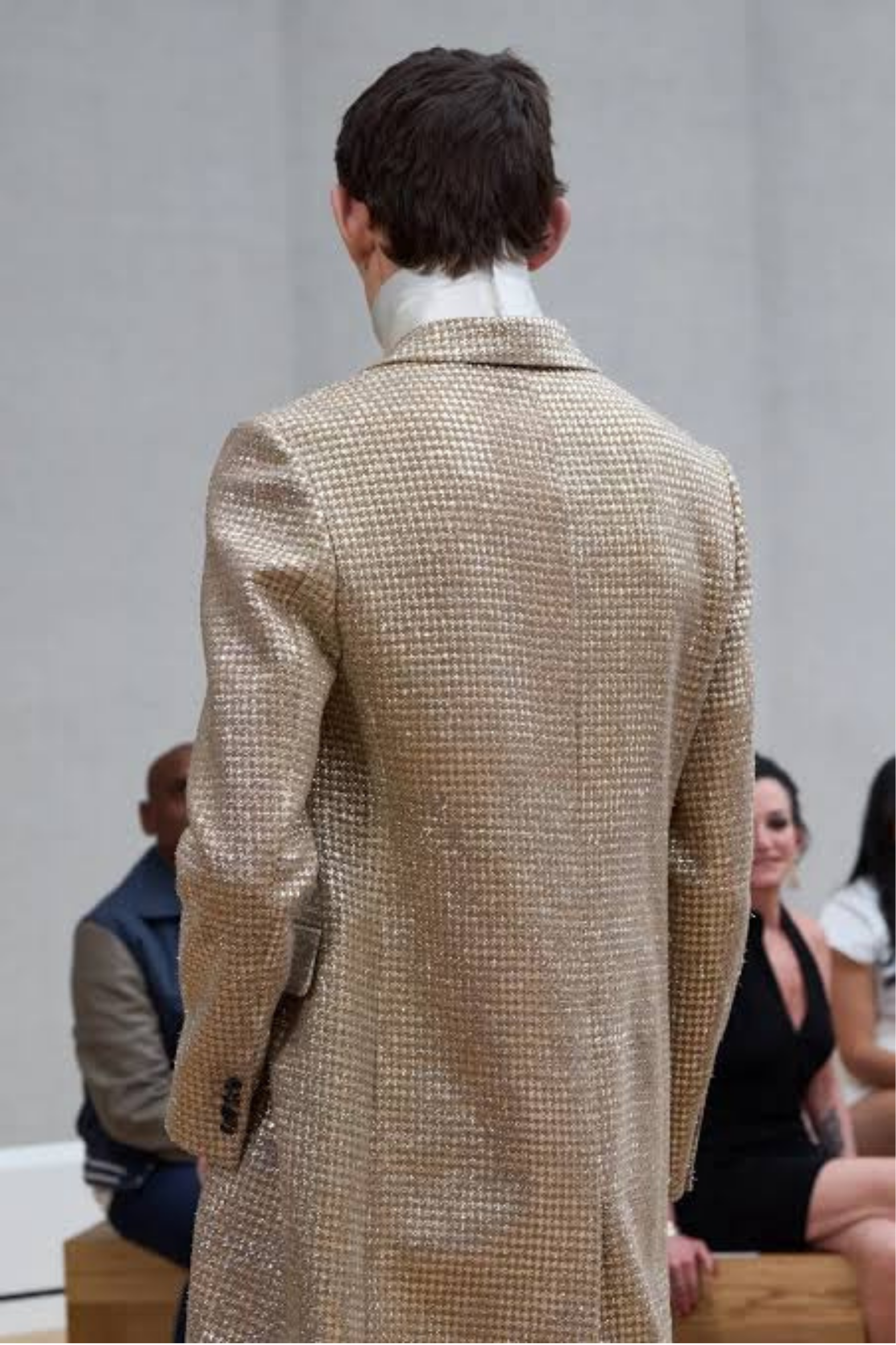
A Dior coat reportedly priced at around $200,000 incorporated traditional Lucknowi Mukaish embroidery. Twelve Indian artisans spent 34 days creating the handwork, yet the criticism centred on the lack of acknowledgement of those artisans and the Indian craft behind the work.
This is where the conversation moves beyond copying. Because what happens when the craft is not merely inspired by India, but actually made by Indian hands? If twelve artisans spend more than a month creating the embroidery on a garment worth hundreds of thousands of dollars, shouldn’t their labour be part of the story?
Luxury has always sold more than clothing. It sells craftsmanship. And if craftsmanship is what makes a garment luxurious, then the craftspeople should not become invisible the moment the garment enters a European fashion house.

And now Fendi
Perhaps one of the most uncomfortable examples came from Dior.
A Dior coat reportedly priced at around $200,000 incorporated traditional Lucknowi Mukaish embroidery. Twelve Indian artisans spent 34 days creating the handwork, yet the criticism centred on the lack of acknowledgement of those artisans and the Indian craft behind the work.
This is where the conversation moves beyond copying. Because what happens when the craft is not merely inspired by India, but actually made by Indian hands? If twelve artisans spend more than a month creating the embroidery on a garment worth hundreds of thousands of dollars, shouldn’t their labour be part of the story?
Luxury has always sold more than clothing. It sells craftsmanship. And if craftsmanship is what makes a garment luxurious, then the craftspeople should not become invisible the moment the garment enters a European fashion house.
So, is this plagiarism?
This is where the conversation becomes complicated. Calling every instance “plagiarism” is technically too simple.
Traditional crafts often belong to communities rather than to one identifiable designer. Many of these techniques existed before modern copyright laws. A centuries-old Bandhani pattern, for example, cannot simply have a single copyright owner.
That is precisely why traditional Indian crafts occupy such a difficult space within modern intellectual-property systems. Traditional cultural expressions can have centuries of provenance while lacking a clearly identifiable legal owner.
But perhaps the absence of a copyright certificate should not become an absence of responsibility. Something can be legally available and still culturally significant. And that is the conversation fashion needs to have.
The West did not invent the Indian aesthetic. But it has often had the power to rename it.
This, perhaps, is the larger history.
India has contributed textiles, embroidery, jewellery, silhouettes, dyeing techniques and craftsmanship to the global fashion vocabulary for centuries. But the problem has never simply been that these things travelled. The problem is who gets remembered when they travel.
The artisan in Gujarat becomes invisible. The embroiderer in Lucknow becomes invisible. The sandal maker in Kolhapur becomes invisible. The craft community disappears behind the fashion house. And the technique suddenly acquires a new vocabulary—resort, bohemian, exotic, global, vintage, craft-inspired. Anything but its actual name.
The Indian names hiding in Western wardrobes
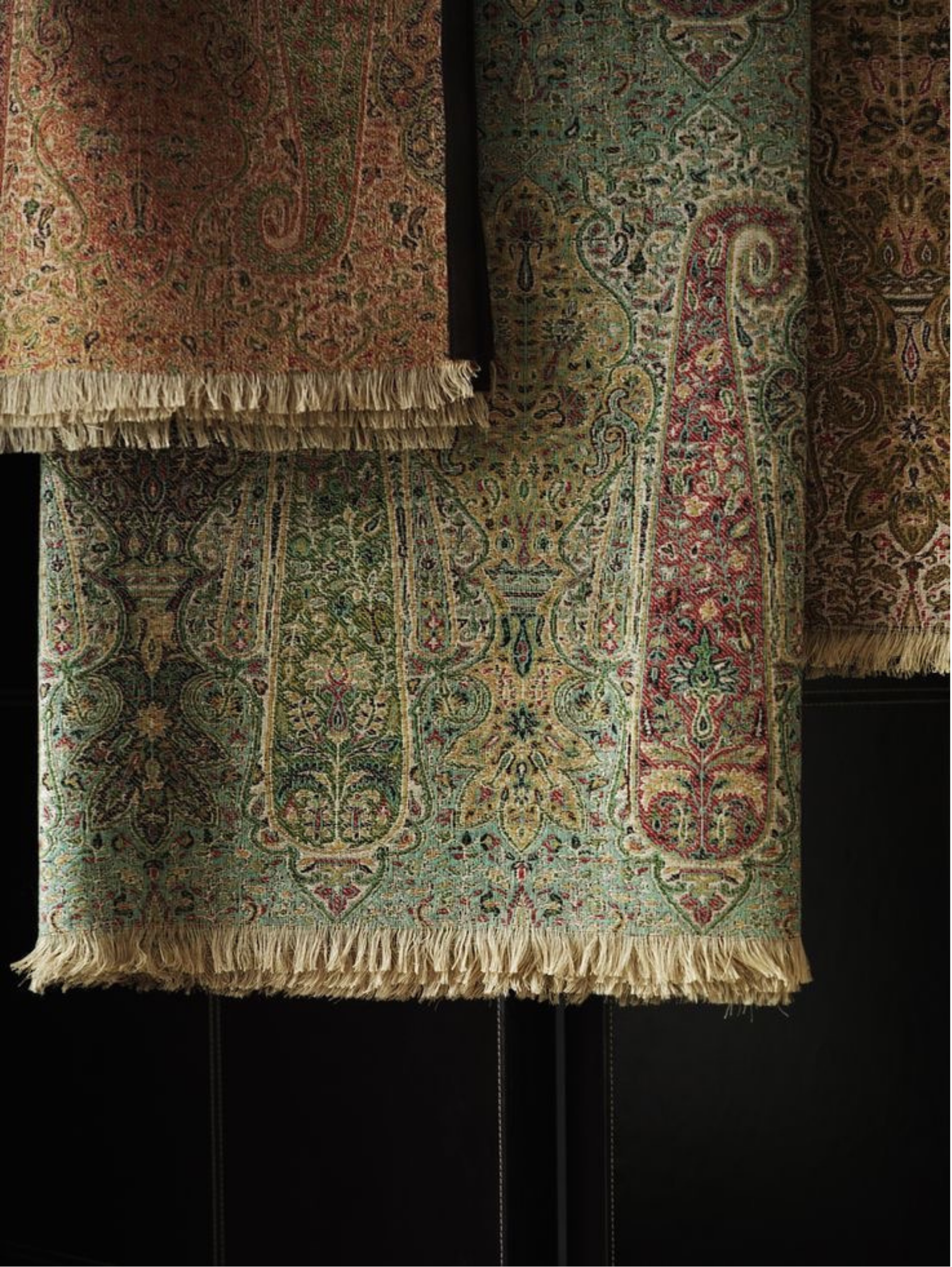
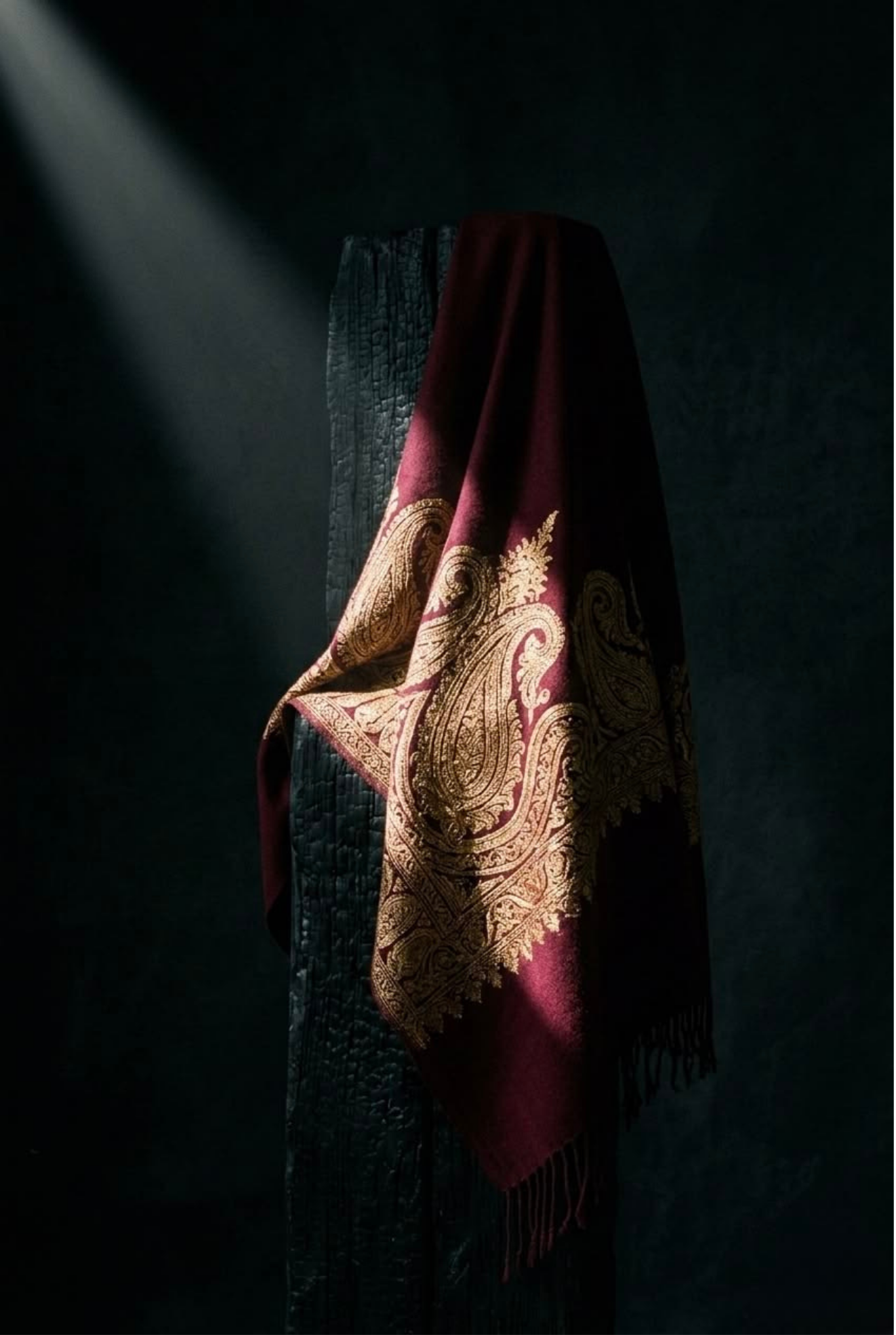
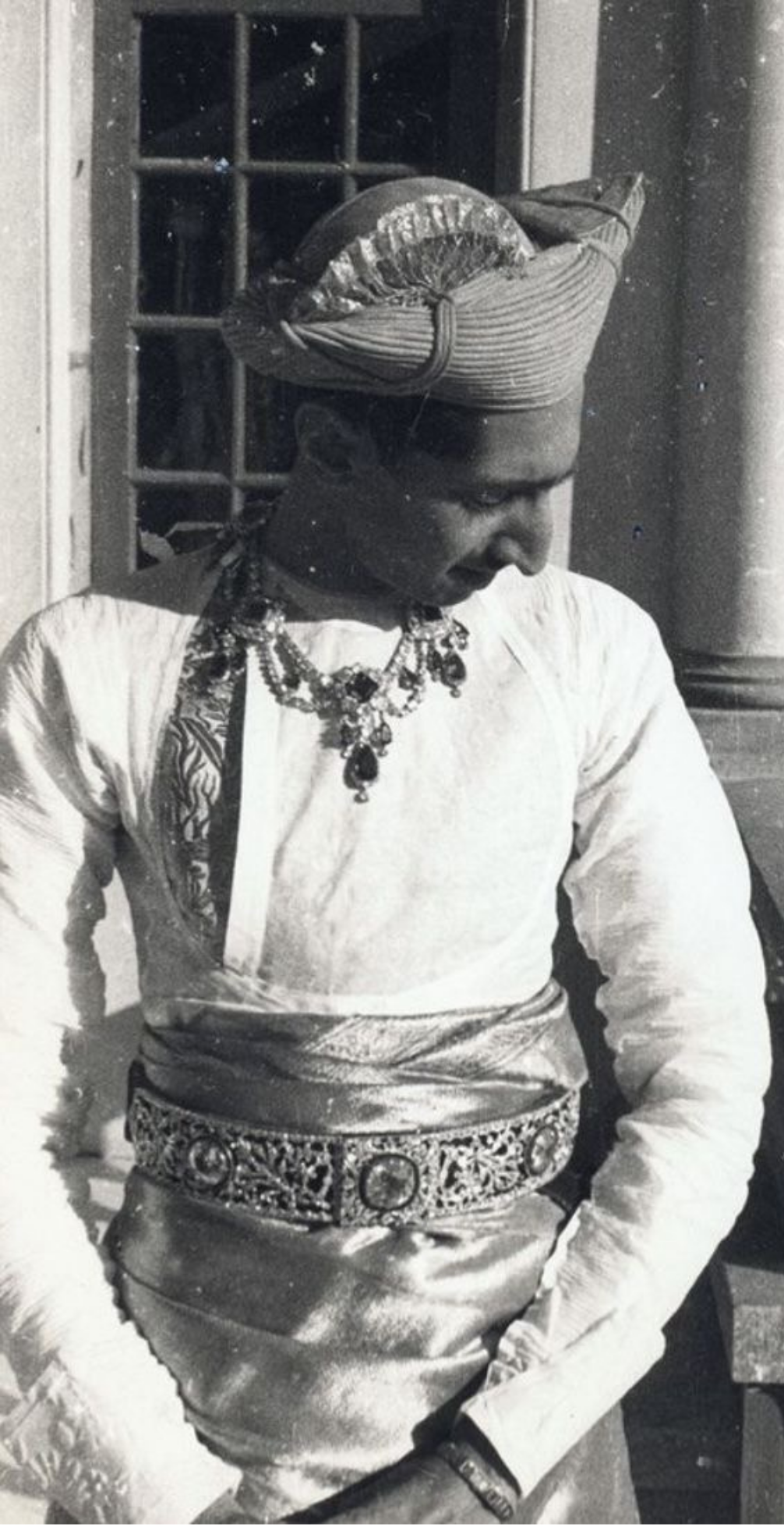
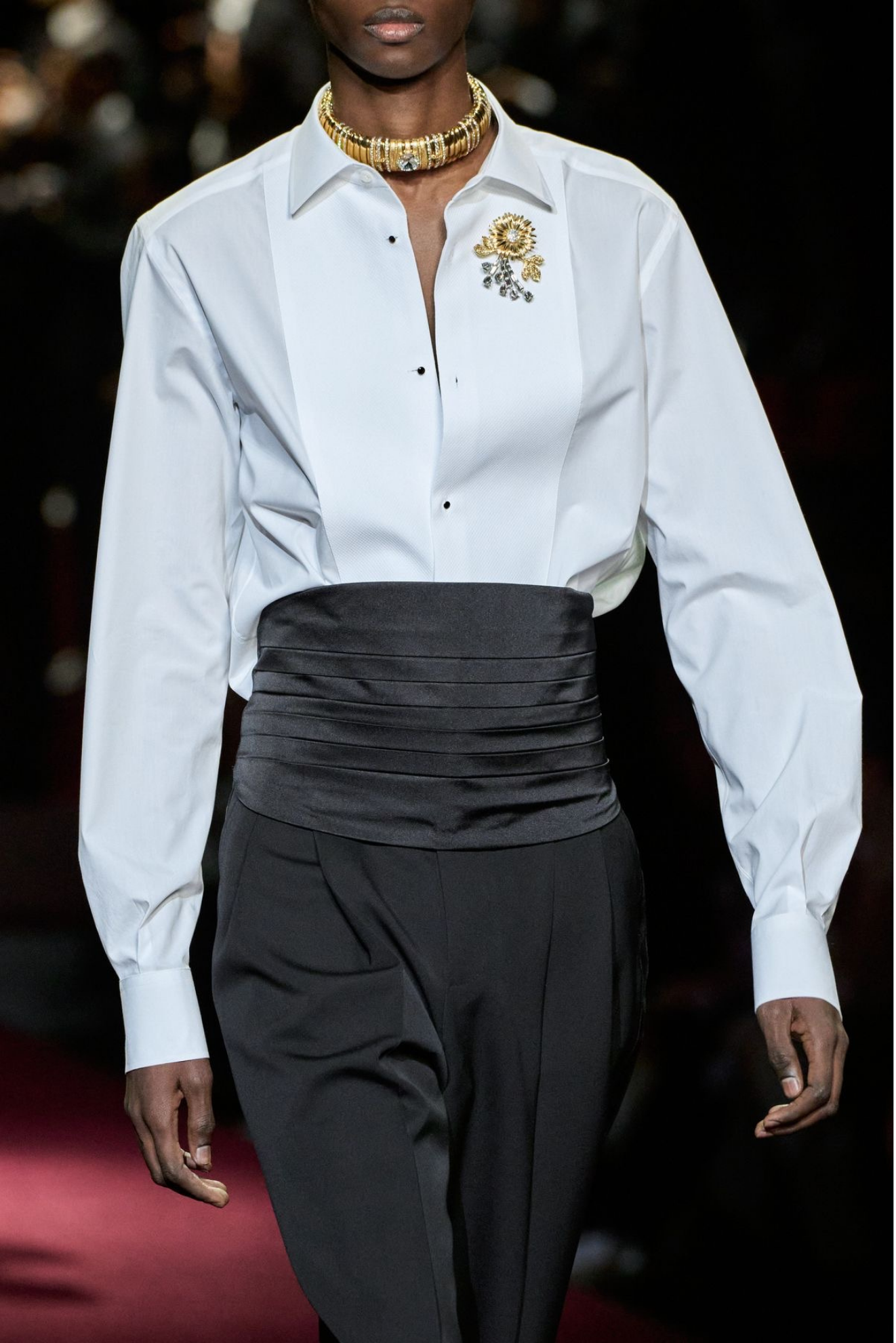
Some of the most interesting examples are not even recognised as Indian anymore. Paisley, with its familiar teardrop-shaped motif, traces back to Indian buta and boteh traditions and Kashmir shawls, eventually taking its name from the Scottish town of Paisley where it was widely reproduced. Cummerbund comes from the Hindi kamarband, a traditional waist sash that entered Western formalwear during the colonial period. And Madras check, named after present-day Chennai, grew from the handwoven cotton textiles of the region before becoming a familiar part of Western wardrobes. Over time, the names travelled, but the Indian histories behind them became easier to forget.
Maybe the future should not be about keeping India out of global fashion.
That would be impossible—and perhaps undesirable. Indian fashion should travel. Indian crafts should be worn internationally. Indian designers should be part of global conversations. Our artisans should be collaborating with the biggest fashion houses in the world. But collaboration should mean more than taking. Imagine a world where a luxury house says:
Bandhani, Gujarat.
Mukaish, Lucknow.
Kolhapuri, Maharashtra.
And then tells us who made it.
Imagine if the artisan is not hidden in the production process but becomes part of the creative story. Imagine if the community receives recognition, visibility and a share of the value created from its heritage. That would not diminish Western fashion. It would make it better. Because fashion is ultimately a conversation between cultures. And a conversation cannot exist when one side keeps speaking while the other is repeatedly erased.
India has never lacked fashion. Perhaps what it has lacked is credit. And maybe it is time we stopped asking why the West keeps finding inspiration in India—and started asking a more important question:
When will the world learn to name where that inspiration came from?